
CDSCO Licence for Coronary Stents in India
Class D registration for bare-metal and drug-eluting coronary stents — licensing route, ISO 25539, clinical evidence, drug-device rules, fees and timeline.
CDSCO Licence for Digital Thermometers in India
Class B licensing for clinical electronic and infrared thermometers — ISO 80601-2-56, IEC 60601 safety and EMC, accuracy data, documents, fees and timeline.
CDSCO Licence for Glucometer Test Strips in India
Class C IVD licensing for blood glucose test strips — ISO 15197 system accuracy, performance evaluation and stability, documents, fees, timeline and routes.
CDSCO Licence for Intraocular Lenses in India
Class D licensing for intraocular lenses (IOL) — ISO 11979, biocompatibility and clinical evidence, documents, fees, timeline and the manufacture vs import routes.
CDSCO Registration for IV Cannula in India
Class B licensing for intravenous cannulae / IV catheters — ISO 10555, sterility and biocompatibility, safety-feature evidence, documents, fees and timeline.

CDSCO Licence for Orthopaedic Implants in India
Class C licensing for bone plates, screws and trauma implants — ISO 5832 / ISO 14630, mechanical and biocompatibility evidence, documents, fees and timeline.

CDSCO Licence for Pregnancy Test Kits in India
Class B IVD licensing for hCG pregnancy test kits — performance evaluation, sensitivity/specificity, stability, documents, fees, timeline and the two routes.

CDSCO Licence for Surgical Gloves in India
Class B licensing for sterile surgical gloves — IS 4148 / ISO 10282, AQL and sterilisation evidence, documents, fees, timeline and the manufacture vs import routes.

CDSCO Licence for Surgical Masks in India
Class A licensing for surgical / medical face masks — IS 16289 / EN 14683, BFE and breathability testing, documents, fees, timeline and the manufacture vs import routes.
CDSCO Registration for Disposable Syringes
Class B licensing for single-use hypodermic syringes — IS 10258 / ISO 7886, sterilisation validation, documents, fees, timeline and the manufacture vs import routes.

CDSCO Licence for Urinary Catheters in India
Class B licensing for Foley and intermittent urinary catheters — ISO 20696/20697, sterility and biocompatibility, coating evidence, documents, fees and timeline.
CDSCO Licence for Ventilators in India
Class C licensing for critical-care and ICU ventilators — ISO 80601-2-12, IEC 60601 electrical safety and EMC, software evidence, documents, fees and timeline.

CDSCO Registration for Face & Body Scrub Import in India
Scrubs are mechanical exfoliants — a different filing from peeling gel. The particle is what CDSCO reads: plastic microbeads are the trap, natural abrasives the safe route.

CDSCO Registration for Nail Polish Remover Import in India
A simple cosmetic with a tricky logistics profile — acetone/ethyl-acetate removers are flammable, so dangerous-goods handling, not the CDSCO file, is what stops shipments.

CDSCO Registration for Hair Removal Wax & Strips Import in India
Waxes remove hair physically — a separate filing from depilatory cream. The rosin/resin composition, burn-safety directions and irritation data drive the file.

CDSCO Registration for Base Coat, Top Coat, Strengthener & Cuticle Oil Import in India
Clear nail treatments share the nail-enamel rulebook (IS 9245, restricted solvents, flammable SDS) minus the colour; cuticle oils follow the oil rules. Full CDSCO guide.

CDSCO Registration for Makeup Primer & Base Import in India
Primers are a clean country-of-origin filing — unless they add a tint (colour list) or an SPF (sunscreen evidence). The full document set for each case.

CDSCO Registration for Lip Liner & Lip Pencil Import in India
Lip liners are cosmetic pencils under IS 9832, coloured for the lips — combining the pencil standard, the permitted-colour list and strict heavy-metal limits. Full guide.

CDSCO Registration for Body Oil & Massage Oil Import in India
Body and massage oils follow the oil rulebook — rancidity, allergens — and the same two exits as hair oil: therapeutic claims → drug, Ayurvedic claims → AYUSH.

CDSCO Registration for Bath Salts, Bubble Bath & Bath Oil Import in India
Bath soaks are cosmetics as long as they cleanse and scent rather than treat — the country-of-origin route, colour and allergen checks, and the therapeutic-claim line.

CDSCO Registration for Tooth Whitening Strips & Gels Import in India
Tooth whitening is the oral-care cosmetic-vs-drug question at its sharpest — the peroxide concentration decides whether it registers as a cosmetic or is a drug. Full guide.

CDSCO Registration for Temporary Hair Colour & Colour Spray Import in India
Wash-out colours, semi-permanent direct dyes and aerosol colour sprays are distinct from permanent dye — the colourants must be India-permitted, and sprays add dangerous-goods handling.

CDSCO Registration for Perm, Permanent Wave & Hair Bleach Import in India
Perms, waves, hair bleach and dye removers are chemically active hair cosmetics — the active concentration, two-part neutraliser and mandatory safety cautions drive the filing.
CDSCO Registration for Lip & Cheek Tint Import in India
Multi-use lip-and-cheek tints are judged as lip colour — the permitted-colour list and strict lip heavy-metal limits both apply, with every shade a variant. Full CDSCO guide.

CDSCO Registration for Hand Wash & Liquid Hand Soap Import in India
Liquid hand wash has its own standard — IS 4199 — but its defining question is antibacterial claims: a cleansing wash is a cosmetic, a germ-kill wash is a drug. Full guide.

CDSCO Registration for Body & Face Paint & Glitter Import in India
Festival face/body paints and cosmetic glitter are colour cosmetics used over large areas and near the eyes and lips — the permitted-colour list, zone limits and skin-safety data all apply.

CDSCO Registration for Mouthwash Import in India
A cosmetic mouthwash freshens breath — chlorhexidine or anti-caries fluoride makes it a drug. The standard, documents and the cosmetic-versus-drug line.

CDSCO Registration for Hair Relaxer & Straightener Import
Relaxers, straighteners and keratin smoothening are cosmetics but carry the tightest chemistry controls — formaldehyde, thioglycolates and alkalis. Limits, documents and warnings.

CDSCO Registration for Anti-Dandruff Products Import
An anti-dandruff shampoo on zinc pyrithione is a cosmetic; on ketoconazole or selenium sulphide it is a drug. IS 7884, the active that decides the route, and the documents.
CDSCO Registration for Self-Tanning Products Import
A self-tan works on the skin surface with DHA and gives no sun protection. How CDSCO reads dihydroxyacetone, the label rule and the import dossier.

CDSCO Registration for Facial & Body Bleach Cream Import
A cosmetic bleach lightens fine hair with peroxide — it is not a skin-lightening drug. The peroxide control, the hydroquinone-and-mercury line, and the documents.

CDSCO Registration for Foundation, BB & CC Cream Import in India
Foundation, BB and CC creams meet both the permitted-colour list and the SPF evidence rules — the full document set, shade-variant trap and labelling. Complete CDSCO guide.

CDSCO Registration for Concealer & Colour Corrector Import in India
Concealers and correctors are colour cosmetics — base assessed against country-of-origin specs, pigments against the Indian permitted list, each shade a variant. Full guide.

CDSCO Registration for Face Powder, Compact & Loose Powder Import in India
Powder makeup turns on talc — the asbestos-free declaration is the headline document, with the permitted-colour list and heavy-metal limits. Full CDSCO guide.

CDSCO Registration for Eyeshadow & Eye Palettes Import in India
Eyeshadow faces the narrower eye-area colour list, the 70 ppm mercury cap and eye-irritation rules — and every palette pan is a variant. Full CDSCO guide.

CDSCO Registration for Blush, Bronzer & Highlighter Import in India
Cheek colour is a pure colour-cosmetic filing — pigments and micas on the Indian permitted list, heavy metals within limits, each shade a variant. Full CDSCO guide.

CDSCO Registration for Eyebrow & Brow Products Import in India
Brow pencils fall under IS 9832; gels and pomades are country-of-origin. All sit near the eye, so they carry the eye-area colour and safety rules. Full CDSCO guide.

CDSCO Registration for Lip Gloss & Liquid Lipstick Import in India
Lip gloss and liquid lipstick are ingested lip colour — pigments on the Indian permitted list, heavy metals strict, each shade a variant. Full CDSCO guide.

CDSCO Registration for Lip Balm & Lip Care Import in India
Lip balm has its own standard — IS 10284 — and because it is ingested, the heavy-metal and medicated-versus-cosmetic lines both matter. Full CDSCO guide.

CDSCO Registration for Facial Oil Import in India
Facial oils have no Indian Standard — the filing turns on rancidity/stability, the essential-oil allergen declaration and keeping botanical claims cosmetic. Full CDSCO guide.

CDSCO Registration for Clay & Wash-off Masks Import in India
Clay, mud and charcoal masks have no Indian Standard — the filing turns on the clay composition, heavy metals in the clay, and preservation of a water-based paste. Full guide.

CDSCO Registration for Aloe Vera & After-Sun Gel Import in India
Aloe and after-sun gels are cosmetics — until they claim to treat sunburn. The country-of-origin route, the preservation focus and the exact cosmetic-vs-drug line.

CDSCO Registration for Talcum & Body Powder Import in India
Talcum and dusting powders live or die on the talc — the asbestos-free report is the headline document, with an inhalation caution and the medicated-powder drug line. Full guide.

CDSCO Registration for Shaving Cream, Gel & Foam Import in India
Shaving products are cosmetics with an aerosol twist — soap creams align with IS 5784, gels/foams are country-of-origin, and cans need dangerous-goods handling. Full guide.

CDSCO Registration for After-Shave & Beard Care Import in India
After-shaves and beard oils have no Indian Standard — the filing turns on alcohol/IFRA fragrance for after-shaves and rancidity/allergens for beard oils. Full CDSCO guide.

CDSCO Registration for Hair Styling Gel, Wax & Spray Import in India
Styling gels, waxes and sprays have no Indian Standard — gels/waxes are a clean country-of-origin filing; aerosol sprays add dangerous-goods handling. Full CDSCO guide.

CDSCO Registration for Hair Removal / Depilatory Cream Import in India
Depilatory creams are chemically active cosmetics — the thioglycolate concentration, alkaline pH, patch-test caution and irritation assessment drive the filing. Full guide.

CDSCO Registration for Toilet Soap & Bathing Bar Import in India
Soaps have their own Indian Standards — IS 2888 / 4199 — graded by total fatty matter. The standard, the TFM grades and the medicated-soap drug line. Full CDSCO guide.
CDSCO Registration for Bindi, Kumkum & Sindoor Import in India
Traditional cosmetics with their own standards — IS 10998 bindi, IS 10999 kumkum — and a sharp lead/heavy-metal focus, because lead in sindoor is a known issue. Full CDSCO guide.

CDSCO Registration for Baby Lotion, Oil, Powder & Wipes Import in India
Baby cosmetics face the strictest safety bar — asbestos-free talc, gentle preservation, low irritation and no drug claims. The standard route per format and key documents. Full guide.

CDSCO Registration for Mehndi & Body Henna Import in India
Body henna has its own standard — IS 11142 — and one overriding issue: added PPD in “black henna” is a prohibited, dangerous adulterant. The compliant route. Full CDSCO guide.

CDSCO Registration for Sheet Masks, Sleeping Masks & Patches Import in India
Sheet masks, sleeping masks, peel-off masks and skincare patches have no Indian Standard — the essence is the registered cosmetic. Documents, preservation and the medical-patch caveat.

CDSCO Registration for Hair Serum, Essence & Scalp Tonic Import in India
Hair serums, essences, mists and scalp tonics have no Indian Standard — and the scalp tonic is where the hair-growth claim trap is sharpest. How to register them as cosmetics.

CDSCO Registration for Hair Conditioner & Treatment Import in India
Hair conditioners, masks and treatments register against country-of-origin specs — the document set, labelling and the hair-repair claim line. Full CDSCO guide.

CDSCO Registration for Feminine Intimate Wash Import in India
Feminine washes are cosmetics when they cleanse and balance pH, drugs when they claim to treat infection — the standard, the pH and safety documents, and the claim line.

CDSCO Registration for Hand Cream & Foot Cream Import in India
Hand and foot creams are skin creams under IS 6608 — the standard, the document set and the point where a cracked-heel or antifungal claim makes a cosmetic a drug.

CDSCO Registration for Body Wash & Shower Gel Import in India
Body washes and shower gels register against country-of-origin specs — the document set, the surfactant-residue check and the line where a medicated wash becomes a drug.

CDSCO Registration for Whitening & Brightening Cream Import in India
Whitening creams are skin creams under IS 6608 with a hard red line — hydroquinone, mercury and corticosteroids are banned. The standard, absence declaration and claim line.

CDSCO Registration for Acne-Relief Cosmetics Import in India
Acne-care is the sharpest cosmetic-vs-drug question — when an anti-acne product is a CDSCO cosmetic and when it is a drug, and how to build a compliant cosmetic file.

CDSCO Registration for Peeling Gel & Exfoliating Pad Import in India
Peeling gels, pads and scrubs have no Indian Standard, and their acids are what CDSCO watches — the document set, the AHA/BHA declaration and the peel-vs-treatment line.

CDSCO Registration for Anti-Wrinkle Cream Import in India
An anti-wrinkle cream is a skin cream under IS 6608, but its claims and actives decide whether it stays cosmetic — the standard, documents and claim-vs-drug line.

CDSCO Registration for Cleansing Cream, Milk & Makeup-Remover Wipes Import in India
Cleansing creams, milks, tissues and remover wipes have no Indian Standard — here is how CDSCO registers them and the extra checks a pre-soaked wipe brings.

CDSCO Registration for Tone-up & Colour-Correcting Cream Import in India
A tone-up cream is a skin cream under IS 6608 that also carries colour — here are the standard, the permitted-colour rules and the whitening-claim line.

CDSCO Registration for Cleansing Oil & Micellar Water Import in India
Cleansing oils, balms and micellar waters have no Indian Standard — here is how CDSCO registers them against country-of-origin specs, with documents and labelling.

CDSCO Registration for Facial Cleanser & Face Wash Import in India
Foam, gel and powder face washes register against country-of-origin specs — here are the documents, labelling and the line where an anti-acne wash becomes a drug.

CDSCO Registration for Eye Cream Import in India
Eye cream is a skin cream under IS 6608 but inherits the stricter eye-area colour and mercury limits. Standard, documents, labelling and the anti-ageing claim line.

CDSCO Registration for Face Mist & Setting Spray Import in India
Facial mists and makeup setting sprays have no Indian Standard; aerosol and alcohol formats add dangerous-goods and state-alcohol rules. Full CDSCO guide.

CDSCO Registration for Skin Toner & Essence Import in India
Toners and essences have no Indian Standard — here is how CDSCO registers them against country-of-origin specifications, with the documents, labelling and claim rules.

CDSCO Registration for Face Serum & Ampoule Import in India
High-active serums and ampoules have no Indian Standard — the filing turns on declaring the active and its concentration and keeping claims cosmetic. Full guide.
CDSCO Cosmetic Import Registration in India: The Complete Guide
The end-to-end route to register imported cosmetics under the Cosmetics Rules, 2020 — Form COS-1 to COS-2, core documents, fees, timeline, labelling and links to all 10 product guides.

GS1 Barcodes & GTINs for Products Sold in India:
EAN-13, UPC and ITF-14, where a barcode is actually required, and how to get genuine GS1 numbers for retail, marketplaces and export.

CDSCO Registration for Toothpaste Import in India:
IS 6356 and IS 5383, fluoride reporting, the diethylene-glycol and melamine declaration, and the whitening-versus-treatment claim line for oral-care imports.

CDSCO Registration for Perfume & Deodorant Import in India:
IS 8482 for cologne, IFRA conformity, the 26 fragrance allergens, and the alcohol-content and aerosol dangerous-goods traps for fragrance imports.

CDSCO Registration for Hair Dye Import in India:
IS 8481 / 15205 / 10350 / 11142, the mandatory PPD statutory caution and the patch-test insert for importing hair dye and hair colour into India.

CDSCO Registration for Hair Oil Import in India:
IS 7123, the rancidity and mineral-oil parameters, and the Ayurvedic and hair-growth claims that send hair oil to AYUSH or out of the cosmetic route.

CDSCO Registration for Nail Polish Import in India:
IS 9245, solvent and colourant declarations, and the dangerous-goods paperwork that stops flammable nail enamel at the port.

CDSCO Registration for Kajal & Eye Cosmetics Import in India:
IS 15154, eye-area colourant limits, the lead risk in traditional kohl and the mercury preservative rule for importing eye cosmetics into India.

CDSCO Registration for Lipstick Import in India:
IS 9875, colourant declaration against IS 4707, heavy-metal limits and shade-wise variant fees for importing lipstick and lip colour into India.

CDSCO Registration for Sunscreen Import in India:
With no Ninth Schedule standard, SPF (ISO 24444) and UVA (ISO 24443) reports and country-of-origin specs govern sunscreen import registration in India.

CDSCO Registration for Skin Cream & Lotion Import in India:
IS 6608, the documents, labelling and the therapeutic-claim and skin-lightening traps for importing skin cream, lotion and moisturiser into India.
CDSCO Registration for Shampoo Import in India:
The applicable standards (IS 7884, IS 7669, IS 17117), the documents, labelling and the anti-dandruff drug trap for importing shampoo into India.
BIS ISI Certification for Two-Wheeler Helmets:
IS 4151 explained — the mandatory safety standard behind India's helmet law.
BIS ISI Certification for Welding Rods & Electrodes:
Both IS standards for manual metal arc and gas shielded arc welding consumables.
BIS ISI Certification for Automobile Tyres & Tubes:
All 4 IS standards for pneumatic tyres and tubes across two-wheelers, cars and commercial vehicles.
BIS ISI Certification for Safety Glass:
Both IS 2553 standards for architectural/building and road transport safety glass.
BIS ISI Certification for Refrigerating Appliances:
Both IS standards for household refrigerators and freezers, distinct from BEE star labelling.
BIS ISI Certification for Domestic Pressure Cookers:
IS 2347 explained — safety valve, gasket and lid-locking requirements for India's kitchen staple.
BIS ISI Certification for Electric Ceiling Type Fans:
IS 374 explained — electrical and mounting safety for India's most common cooling appliance.
BIS ISI Certification for Electric Toys:
IS 15644 explained — electrical safety requirements distinct from non-electric toy standards.
BIS ISI Certification for Fire Extinguishers:
Both IS standards for portable and wheeled fire extinguishers — a life-safety category.

BIS ISI Certification for Gypsum Building Materials:
All 4 IS standards for gypsum plaster boards, laminated boards and reinforced panels.
BIS ISI Certification for Aluminium & Alloy Products:
Irrigation tubes to aerospace forgings — all 17 IS standards under a QCO amended six times since 2023, most recently March 2026.
BIS ISI Certification for Air Conditioners & Compressors:
Room ACs, ducted/package units and hermetic compressors under one of BIS's most amended QCOs — verified standards, process and timeline.
BIS ISI Certification for Non-Electric Toys:
Every toy needs IS 9873 compliance — mechanical safety, flammability, chemical migration, activity toys, finger paints and phthalates.
BIS ISI Certification for Door Fittings:
Door closers, floor springs, latches and handles — all 7 IS standards under the 2023 Door Fittings QCO, explained.
BIS ISI Certification for Bolts, Nuts & Fasteners:
From hexagon bolts to high strength structural fasteners and door bolts — all 19 IS standards under the 2023/2024 QCO, the licensing process and pitfalls.
BIS ISI Certification for Household Electrical Goods:
RCCBs, watt-hour meters, switches, lamps and appliance safety — all 15 IS standards under one omnibus Electrical QCO. The licensing process explained.
BIS ISI Certification for Cylinders, Valves & Regulators:
LPG cylinders, valve fittings and regulators under the Gas Cylinder Rules 2016 — recently amended twice in 2026. All 15 IS standards covered.
BIS ISI Certification for Cross Recessed Screws:
Drilling, tapping, drywall and wood screws — one of BIS's newest QCOs, already amended twice since 2024. All 14 IS standards and the process.
BIS ISI Certification for Cement:
Every cement variety needs a Scheme-I licence — OPC, PPC, oil well cement and more. All 16 notified IS standards, the factory-audit process, and timeline.
BIS ISI Certification for Cables:
From 1100V house wiring to 220kV power cable, plus welding and mining cables — all 13 IS standards under the Cables QCO 2020, explained.

BEE Star Label for Packaged Boilers in India:
Packaged boilers are a voluntary BEE category (Schedule 36), rated on thermal efficiency. How the rating works, the process, and the documents needed.

BEE Star Label for Office Automation Products:
Printers, copiers, scanners and MFDs are a voluntary BEE category (Schedule 16). What the energy rating measures, and how to register for institutional tenders.

BEE Star Label for Washing Machines:
Washing machines are a MANDATORY BEE category. How energy and water use per cycle set the star band, and the compliance obligations involved.

BEE Star Label for Pedestal Fans in India:
Pedestal fans are a voluntary BEE category (Schedule 33), separate from mandatory ceiling fans. How service value drives the rating, and the full process.
BEE Star Label for LED Lamps:
LED lamps are a MANDATORY BEE category, separate from BIS safety certification. How luminous efficacy sets the rating, and the compliance process.
BEE Star Label for Inverter Room Air Conditioners:
Inverter ACs are a MANDATORY BEE category rated on ISEER. What the seasonal efficiency rating measures, and the penalties for non-compliance.

BEE Star Label for Frost-Free Refrigerators:
Frost-free refrigerators are a MANDATORY BEE category — no model can be sold without registration. The rating, process, and penalties for non-compliance.
BEE Star Label for Electric Storage Water Heaters:
Geysers are a MANDATORY BEE category rated on standing loss. The registration process, documents, timeline and penalties for non-compliance.

BEE Star Label for Diesel Engine Monoset Pumps:
Diesel monoset pumps for irrigation are a voluntary BEE category (Schedule 13). What the fuel-to-water efficiency rating measures, and how to register.

BEE Star Label for Colour Televisions:
Colour TVs are a MANDATORY BEE category. How the screen-size-normalised power rating works, the process, and penalties for skipping registration.

BEE Star Label for Chillers:
Chillers are a MANDATORY BEE category for commercial cooling. How COP sets the rating, and why tenders require valid registration.

BEE Star Label for Ceiling Fans:
Ceiling fans are a MANDATORY BEE category. How service value and BLDC motors drive the star band, and the penalties for non-compliance.

BEE Star Label for Industrial Motors in India:
General-purpose induction motors are a voluntary BEE category (Schedule 6). How the efficiency-class rating (IE2/IE3/IE4) works, the process, and the pitfalls.

BEE Star Label for Computers & Laptops in India:
Computers and laptops are a voluntary BEE category (Schedule 14). What the typical-energy-consumption rating measures, and how to register for procurement wins.

BEE Star Label for Ballasts (Electronic & Magnetic):
Ballasts are a voluntary BEE category (Schedule 15). How ballast efficacy drives the star band, the registration process, and the pitfalls to avoid.

BEE Star Label for Air Compressors in India:
Air compressors are a voluntary BEE category (Schedule 27). How specific energy consumption drives the rating, and why it wins energy-conscious buyers.

BEE Star Label for Refrigerant Compressors in India:
Refrigerant compressors are a voluntary BEE category (Schedule 39), rated on COP. What the efficiency rating measures, and why appliance OEMs want it.

BEE Star Label for Solid State Inverters in India:
Solid state inverters are a voluntary BEE category (Schedule 17). How conversion efficiency and standby losses set the star band, and the full process.

BEE Star Label for Submersible & Agricultural Pump Sets:
Agricultural and submersible pump sets are a voluntary BEE category (Schedule 7). What wire-to-water efficiency measures, how to register, and the documents needed.
BEE Star Label for Tyres in India:
Tyres are a voluntary BEE category (Schedule 30), rated on rolling resistance. What the fuel-economy rating measures, how to register, and the pitfalls.

BEE Star Label for Solar Water Heaters in India:
Solar water heating systems are a voluntary BEE category (Schedule 23). What the thermal-performance rating measures, how to register, and the pitfalls to avoid.
BEE Star Label for Lithium-Ion Batteries:
High-energy Li-ion traction batteries are a voluntary BEE category (Schedule 29). What the efficiency rating measures, how to register, and the documents needed.

BEE Star Label for Evaporative Air Coolers:
Desert and personal air coolers are a voluntary BEE category (Schedule 40). What the efficiency rating measures, how to register, and the pitfalls to avoid.

BEE Star Label for Diesel Generator Sets:
Diesel generator sets sit in BEE's voluntary scheme (Schedule 18). How the fuel-efficiency rating works, the process, and why it wins commercial tenders.

BEE Star Label for Commercial Beverage Coolers:
Visi coolers are in BEE's voluntary scheme (Schedule 37) — but brands often require the rating. How energy-per-volume drives the star band, and the full process.

BEE Star Label for EV Chargers in India:
EV chargers are one of the newest BEE categories (Schedule 41). What the efficiency rating measures, how to register, and the documents and timeline involved.

BEE Star Label for Table & Wall Fans:
Table, wall and pedestal fans are in BEE's voluntary scheme (Schedule 32). How service value drives the star band, why BLDC scores higher, and the full process.

BEE Star Label for Induction Hobs in India:
Induction hobs are a voluntary BEE category (Schedule 34). What the cooking-efficiency rating measures, how to register a model, and the pitfalls to avoid.

BEE Star Label for Side-by-Side Refrigerators:
Side-by-side and multi-door refrigerators sit in BEE's voluntary scheme (Schedule 31), separate from mandatory frost-free. The rating, process, documents and timeline explained.

BEE Star Label for Microwave Ovens in India:
Microwave ovens fall under BEE's voluntary Standards & Labelling scheme (Schedule 22). Here's what the star rating measures, how to register, and why the label is a growing edge.
BIS CRS Registration for Mobile Phones in India:
Every mobile phone sold in India needs BIS CRS registration before import or sale — plus WPC, TEC and EPR. Here's the standard, process and full compliance picture.

Battery Waste Management Rules 2022:
Every battery sold in India — from EV packs to portable AA cells — now falls under mandatory EPR obligations. Here's your complete compliance roadmap.

BEE Star Rating in India:
If you manufacture or import appliances in India, BEE Star Rating compliance is not optional — it's mandatory for market entry. Here's everything you need to know.
🖥️ BIS CRS Step-by-Step Guide to Getting BIS CRS Registration
A practical, jargon-free walkthrough of the entire BIS CRS process — from identifying the right IS standard to receiving your R-number and printing.

BIS CRS vs BIS ISI
Two different BIS schemes. Two different obligations. One wrong choice can delay your market entry by months. Here's how to identify exactly which one applies to you.

How Foreign Manufacturers Can Get BIS ISI Certification
The Foreign Manufacturers Certification Scheme (FMCS) lets overseas factories obtain the ISI mark and access India's.

E-Waste Management in India:
India generates over 3 million tonnes of electronic waste annually. If your business places electronic equipment in the Indian market, the E-Waste Management Rules.....
Plastic Waste EPR Registration in India :
India's Plastic Waste Management Rules now mandate EPR registration for anyone using plastic packaging — from.....

EPR Registration in India :
Extended Producer Responsibility (EPR) is now mandatory across three major categories in India. If you produce, import, or brand these products.....
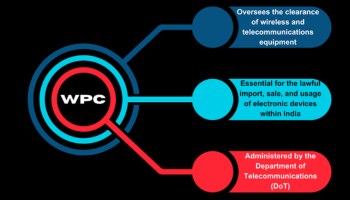
WPC vs TEC Certification in India :
Two mandatory telecom certifications. Different authorities, different products, different processes. Getting this wrong means your devices are seized.

Quality Control Orders (QCOs) in India 2024 :
India's government has issued dozens of new Quality Control Orders since 2022. If your product is on the list.....
Solar Panel and Inverter BIS Certification in India
Solar PV modules and inverters require BIS certification, ALMM listing, and grid-code compliance......
Top 10 Mistakes Foreign Manufacturers Make Entering the Indian Market
From BIS scheme misclassification to label artwork errors, these are the recurring mistakes that delay.......

BIS Certification for Power Banks and Mobile Accessories
Power banks, USB chargers, cables, and mobile accessories sold in India fall under mandatory BIS CRS.......

BIS CRS for Smart Wearables, Smartwatches and Fitness Trackers in India
Wearables sit at the intersection of BIS, WPC, and battery compliance. Here is the full certification map for smartwatches and fitness trackers entering the.......
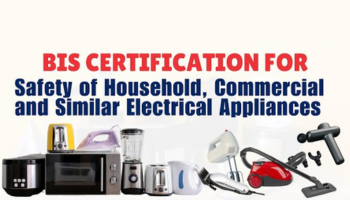
BIS Certification for Electronic Home Appliances
Home appliances span both BIS CRS (self-declaration) and ISI (factory audit) schemes. Here's how to determine which applies and navigate both processes.......

BIS Certification for LED Lighting Products in India
LED bulbs, drivers, and luminaires fall under mandatory BIS CRS. Here are the standards, testing, and registration process every LED manufacturer needs.......

FCC Certification for Electronics Exported to the USA
Any electronic product emitting RF energy sold in the United States requires FCC authorization. This guide explains SDoC, Certification, FCC ID, and .......
India's Push for Self-Certification
India is piloting manufacturer self-certification for lower-risk categories. Here's what that could mean for BIS compliance and the ease of doing business......
Lithium-Ion Battery Certification in India
Li-ion cells, battery packs, and power banks face overlapping BIS CRS, UN38.3, and IEC 62133 requirements. Here's how battery manufacturers can......

Product Testing vs Certification
Tested is not the same as certified. Here's the crucial distinction that trips up first-time manufacturers in global.....

Toy Safety Certification Under BIS IS 9873
Since the Toys QCO came into force, every toy sold in India requires BIS certification. Here's what domestic manufacturers and importers.....

BIS CRS vs FMCS
Indian regulators run two parallel certification schemes — CRS for electronics, FMCS for ISI-marked products. Pick the wrong one.....

Greenwashing vs Genuine Compliance
"Eco-friendly" and "sustainable" claims are everywhere on packaging — most are unverifiable. Here is the.....

How Make-in-India and PLI Schemes Affect Certification Requirements
Government incentive schemes link subsidy eligibility to certifications, ALMM listings, and domestic value addition.....

Smart Meter and Energy Meter BIS Certification in India
Smart meters and conventional energy meters fall under heavy BIS oversight, NSGM specifications, and AMISP.....

Supply Chain Due Diligence
B2B buyers — OEMs, EPCs, distributors, retailers — carry liability when their suppliers fail compliance.....
EU Battery Regulation 2026
The new EU Battery Regulation introduces digital passports, carbon footprint labels, and due diligence obligations.....
-for-bis-certification.png)
How to Choose an Authorized Indian Representative (AIR) for BIS Certification
The AIR is the legal face of a foreign manufacturer before BIS. Picking the wrong one can stall applications for.....

Certification Agent vs DIY Application
Hire a certification agent or run the application yourself? The right answer depends on product.....

CE vs UKCA vs FCC
Targeting Europe, UK, and USA at the same time? Here is a clear cost, timeline, and scope comparison.....
EV Charger BIS Certification in India
AC home chargers, DC fast chargers, and public charging stations all need BIS certification. Here is the standards.....

In-Country vs Third-Party Testing Labs
Where you test affects cost, timeline, and certificate acceptance. Here is how to weigh.....
ISI Mark vs BIS Standard Mark vs CRS
ISI Mark, BIS Standard Mark, and BIS CRS R-number are different markings under different schemes.....

2026 Compliance Roadmap for Chinese Exporters Selling to India
Chinese manufacturers face a tightening compliance environment in India — BIS, anti-dumping.....
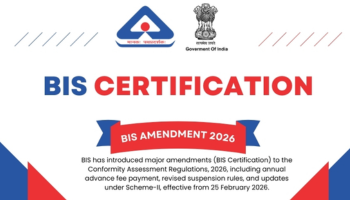
BIS Amendment Updates
BIS has released multiple amendments to the CRS framework in the past 12 months.....
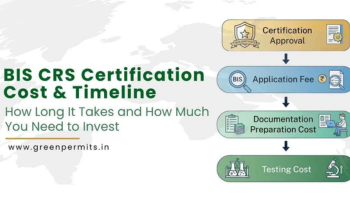
BIS CRS Cost Breakdown
BIS CRS involves testing fees, application fees, AIR fees, and consultant fees.....
How to Prepare for a BIS Factory Audit
BIS ISI and FMCS schemes involve physical factory audits. Here's the.....

CE Marking for Indian Exporters
The CE mark is the mandatory passport to 27 European Union member states plus EEA countries.....

Documents Required for BIS CRS Registration
Missing paperwork is the #1 reason BIS CRS applications get rejected or delayed. Here's the.....
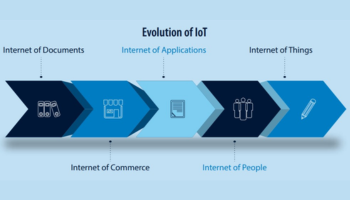
New FCC Rules for IoT Devices
The FCC Cyber Trust Mark and new IoT cybersecurity requirements reshape what it takes to sell .....

SASO Certification for Saudi Arabia
Exporting to Saudi Arabia requires SASO conformity assessment, SABER platform registration.....

UKCA Marking After Brexit
Post-Brexit, the UK has its own conformity mark. This guide explains UKCA marking, the products it .....

KC Mark Korea Certification
The KC Mark is mandatory for electrical, electronic, and wireless products sold in South Korea.....

New Quality Control Orders (QCOs) Issued by India in 2026
India continues expanding mandatory BIS coverage via QCOs. Here's the complete.....
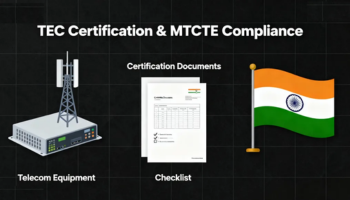
Telecom Equipment Certification in India
Telecom gear and wireless devices require dual approvals — TEC MTCTE for.....

BIS Certification for DC Supplied / Battery-Operated Shavers, Trimmers, Clippers and Similar Appliances in India
Battery-powered shavers, beard trimmers, hair clippers, and nose hair trimmers.....
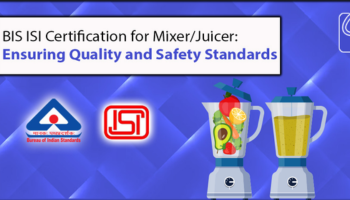
BIS Certification for DC Supplied / Battery-Operated Blenders and Juicers in India
Cordless and battery-powered blenders, juicers, and food processors must hold.....
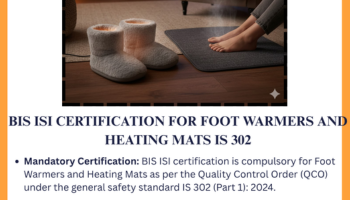
BIS Certification for DC Supplied / Battery-Operated Foot Warmers and Heating Mats in India
DC-powered and battery-operated foot warmers, electric heating mats.....

BIS Certification for DC Supplied / Battery-Operated Massage Appliances in India
Battery-powered and DC-operated massage guns, handheld massagers.....
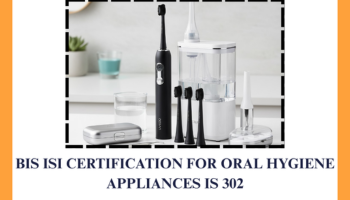
BIS Certification for DC Supplied / Battery-Operated Toothbrushes and Oral Hygiene Appliances in India
Battery-operated electric toothbrushes, water flossers, tongue cleaners, and oral.....
BIS Certification for Electric Knives in India
Electric carving knives, electric bread knives, and reciprocating-blade electric.....

BIS ISI Certification for Beds in India
Household beds — including single beds, double beds, king-size beds.....

BIS ISI Certification for Bunk Beds in India
Bunk beds — including two-tier bunk beds, triple bunk beds, and loft beds for children.....

BIS ISI Certification for General Purpose Chairs and Stools in India
General purpose chairs, side chairs, dining chairs, stacking chairs, and stools for household.....

BIS ISI Certification for Stainless Steel Seamless Pipes and Tubes for General Service in India
Stainless steel seamless pipes and tubes for general service applications are subject to mandatory.....
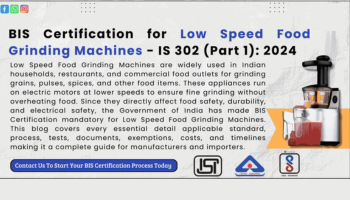
BIS Certification for Electric Grain Grinders (Up to 3L Hopper Capacity) in India
Electric grain grinders with hopper capacities not exceeding 3 litres.....

BIS Certification for Electric Graters in India
Electric cheese graters, vegetable graters, and multi-purpose rotary grater appliances for household .....
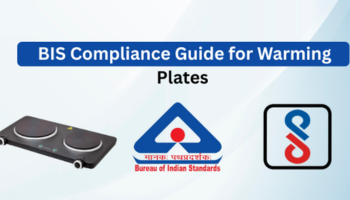
BIS Certification for Electric Hot Plates in India
Electric hot plates — including single and double burner portable electric cooking plates.....

BIS Certification for Electric Ice Cream Machines in India
Electric ice cream makers — including countertop ice cream machines and.....

BIS Certification for Electric Knife Sharpeners in India
Electric knife sharpeners — including countertop sharpening machines with rotating.....

BIS Certification for Amusement Machines and Personal Service Machines in India
Electric amusement machines, vending machines, arcade equipment, and.....
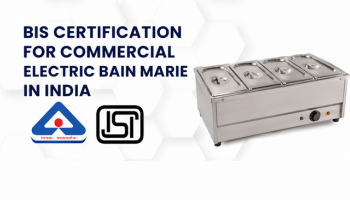
BIS Certification for Commercial Electric Bains Marie in India
Commercial electric bains marie — water-bath food warmers used in hotels, restaurants, and.....

BIS Certification for Commercial Electric Boiling Pans in India
Commercial electric boiling pans and steam-jacketed kettles used in institutional catering.....

BIS Certification for Commercial Electric Cooking Ranges, Ovens, Hobs and Hob Elements in India
Commercial electric ranges, professional ovens, commercial hobs, and individual hob.....

BIS Certification for Commercial Electric Dishwashing Machines in India
Commercial electric dishwashers — including undercounter, hood-type, conveyor, and.....

BIS Certification for Air-Cleaning Appliances in India
AC-powered air-cleaning appliances including HEPA air purifiers, ionisers, UV-C air sterilisers, and electrostatic precipitators are subject.....
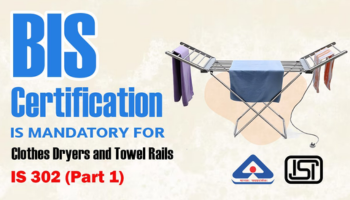
BIS Certification for Clothes Dryers and Towel Rails in India
Electric clothes dryers, tumble dryers, spin dryers, heated towel rails, and electric towel warmers.....

BIS Certification for Electric Noodle Makers in India
Electric noodle making machines — including automatic pasta makers, ramen noodle.....
BIS Certification for Electric Potato Peelers in India
Electric potato peeling machines — including abrasive drum peelers for household and small.....

BIS Certification for Electric Shredders in India
Electric food shredders, vegetable shredders, and document shredders with electrical connections.....
BIS Certification for Electric Sieving Machines in India
Electric flour sifters, grain sieving machines, and vibrating sieve appliances for household.....
BIS Certification for Electric Slicing Machines in India
Electric food slicers — including meat slicers, deli slicers, vegetable slicers, and bread slicing.....
BIS Certification for Electrical Appliances for Use with Aquariums and Garden Ponds in India
Electric aquarium heaters, aquarium pumps, garden pond pumps, UV pond sterilisers, and.....

BIS Certification for Blankets, Pads, Clothing and Similar Flexible Heating Appliances in India
Electric blankets, heated pads, heated clothing, and all similar flexible body-contact heating.....

BIS Certification for n-Butyl Acrylate in India
n-Butyl Acrylate — a key acrylic monomer for coatings, adhesives, and polymer manufacture — requires mandatory.....

BIS Certification for Adjustable Wrenches in India
Single-ended open-jaw adjustable wrenches (adjustable spanners/shifters) require.....

BIS Certification for Aluminium Beverage Cans in India
Aluminium two-piece drawn and wall-ironed (DWI) beverage cans require mandatory BIS ISI.....

BIS Certification for Chain Pipe Wrenches in India
Chain pipe wrenches require mandatory BIS ISI certification under IS 4123:1982 from.....

BIS Certification for Combination Side Cutting Pliers in India
Combination side cutting pliers require mandatory BIS ISI certification under IS 3650:1981.....
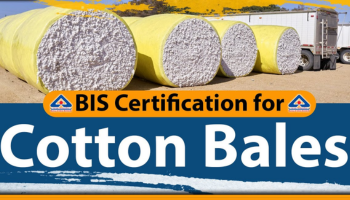
BIS Certification for Cotton Bales in India
Cotton bales produced by ginning factories require mandatory BIS ISI certification under IS.....

BIS Certification for Digital Television Receivers (Satellite) in India
DTH set-top boxes and satellite receivers require mandatory BIS ISI certification under IS.....

BIS Certification for HDPE/PP Woven Cement Sacks in India
HDPE and PP woven sacks for packaging 50 kg cement require mandatory BIS ISI.....
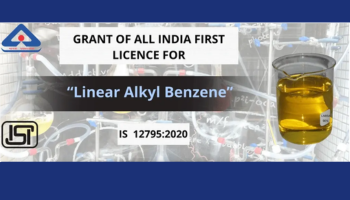
BIS Certification for Linear Alkyl Benzene (LAB) in India
Linear Alkyl Benzene — the primary surfactant feedstock for India's detergent industry — requires.....

BIS Certification for Morpholine in India
Morpholine — an industrial solvent, corrosion inhibitor, and chemical intermediate — requires.....

BIS ISI Certification for Tables and Desks in India
Tables, desks, dining tables, writing desks, and study tables for household and commercial.....

BIS Certification for Commercial Electric Kitchen Machines in India
Commercial electric kitchen machines including food processors, planetary mixers, meat.....
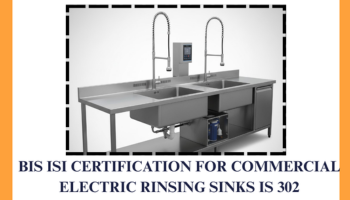
BIS Certification for Commercial Electric Rinsing Sinks in India
Commercial electric rinsing sinks used in professional kitchens, food service establishments.....
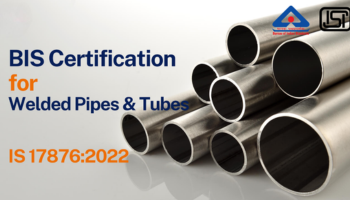
BIS ISI Certification for Stainless Steel Welded Pipes and Tubes for General Service in India
Stainless steel welded pipes and tubes for general service applications require mandatory.....
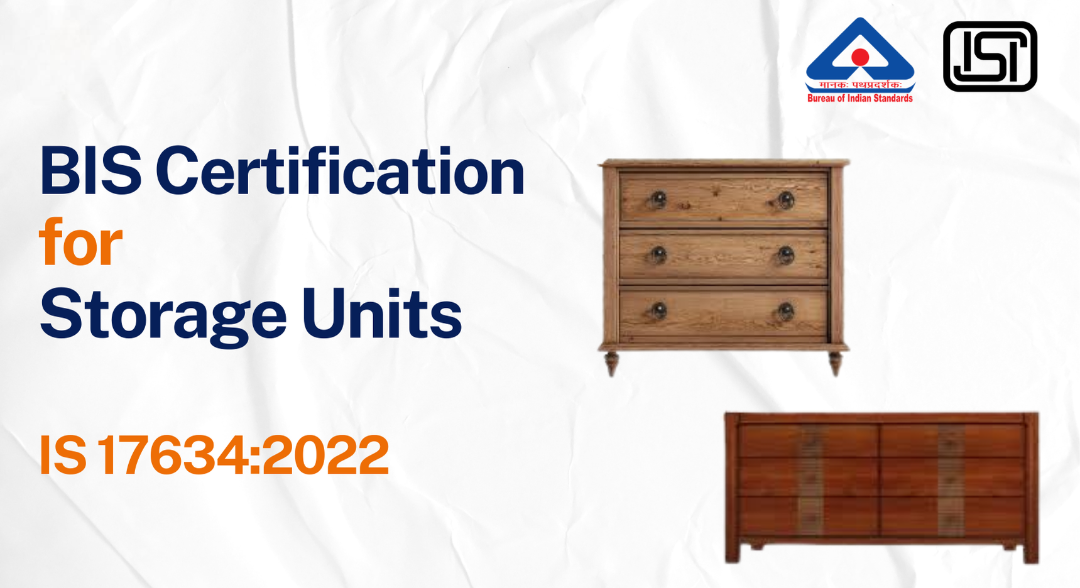
BIS ISI Certification for Storage Units in India
Storage units — including wardrobes, cupboards, cabinets, bookshelves, chests of drawers, and similar.....
BIS Certification for Commercial Electric Doughnut Fryers and Deep Fat Fryers in India
Commercial electric deep fat fryers and doughnut fryers used in restaurants, fast food outlets.....

BIS ISI Certification for Work Chairs in India
Work chairs — including office chairs, ergonomic task chairs, and adjustable swivel chairs used in workplaces.....
BIS Certification for Dishwashers in India
Household electric dishwashers — including countertop, undercounter, and fully integrated domestic dishwasher models.....
BIS Certification for Low-Speed Food Grinding Machines in India
Low-speed food grinding machines — including slow juicers, masticating juicers, cold press.....
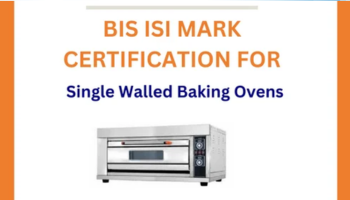
BIS Certification for Single-Walled Baking Ovens in India
Single-walled domestic electric baking ovens — including countertop ovens, toaster ovens.....
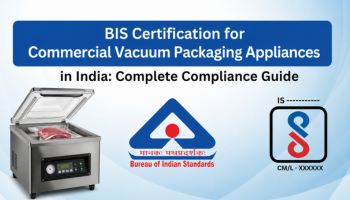
BIS Certification for Commercial Vacuum Packaging Appliances in India
Commercial vacuum packaging machines used in food processing, retail, and hospitality sectors fall under mandatory BIS CRS.....
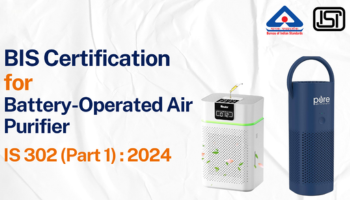
BIS Certification for DC Supplied / Battery-Operated Air Purifiers in India
Battery-operated and DC-powered air purifiers must comply with mandatory BIS CRS.....

BIS Certification for Commercial Electric Forced Convection Ovens, Steam Cookers and Steam-Convection Ovens in India
Commercial forced convection ovens, combi-steamers, steam-convection ovens, and.....
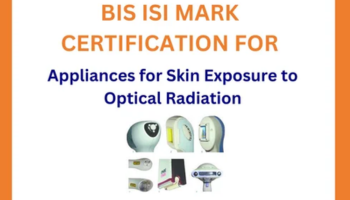
BIS Certification for Appliances for Skin Exposure to Optical Radiation in India
UV tanning equipment, phototherapy panels, red-light therapy devices, and other appliances.....
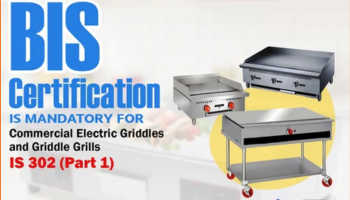
BIS Certification for Commercial Electric Griddles and Griddle Grills in India
Commercial electric griddles, griddle grills, and contact grills used in professional food.....
BIS Certification for Commercial Electric Grillers and Toasters in India
Commercial electric grillers, salamanders, conveyor toasters, pop-up toasters, and bread.....
BIS Certification for Commercial Electric Multi-Purpose Cooking Pans in India
Commercial electric multi-purpose cooking pans — including tilting frying pans, bratt pans.....

BIS Certification for Commercial Electric Appliances for Keeping Food and Crockery Warm in India
Commercial electric food warmers, heated display counters, plate warmers, and crockery.....
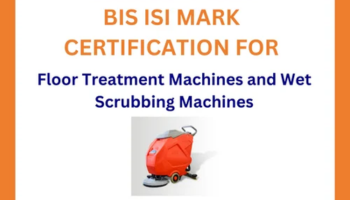
BIS Certification for Floor Treatment Machines and Wet Scrubbing Machines in India
Electric floor polishers, scrubber-dryers, wet scrubbing machines, and floor treatment.....
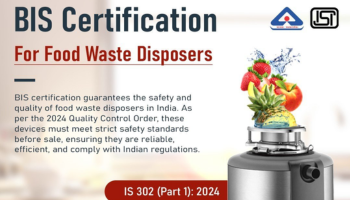
BIS Certification for Food Waste Disposers in India
Electric food waste disposers installed under kitchen sinks for grinding food scraps must.....
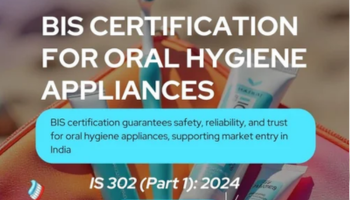
BIS Certification for Oral Hygiene Appliances in India
Electric toothbrushes, oral irrigators (water flossers), electric tongue cleaners, and other.....

BIS Certification for Sauna Heating Appliances and Infrared Cabins in India
Electric sauna heating units, sauna stoves, infrared sauna panels, and complete infrared.....
BIS FMCS Goes Fully Online from 1st June 2026
The Bureau of Indian Standards has confirmed on the Manakonline portal that the Foreign.....
Authorised Indian Representative (AIR) for BIS FMCS Online Applications
Why every foreign manufacturer needs an AIR on Manakonline — eligibility, residency.....
BIS FMCS Online vs Offline: Key Differences Every Foreign Manufacturer Should Know
From paper applications to a 100% digital Manakonline workflow — a side-by-side.....
Documents Required for Online BIS FMCS Application 2026
Every document a foreign manufacturer must upload on the Manakonline portal for a new.....
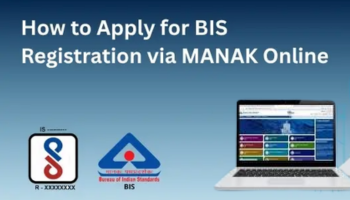
How to File BIS FMCS Application Online on the Manakonline Portal
A practical, click-by-click walkthrough of the new online FMCS application — from creating a.....

BIS Certification for Thermal Storage Room Heaters in India
Thermal storage room heaters that charge during off-peak hours and release.....
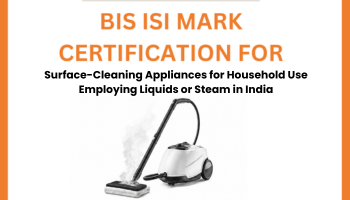
BIS Certification for Surface-Cleaning Appliances for Household Use Employing Liquids or Steam in India
Household steam cleaners, steam mops, pressure steam cleaners, and liquid-based surface.....

BIS Certification for Whirlpool Baths and Whirlpool Spas in India
Electric whirlpool baths, whirlpool spa units, hot tubs, and jacuzzi-type installations with.....

BIS Certification for Fixed Immersion Heaters in India
Fixed immersion heaters installed in water tanks, geysers, and industrial water heating.....
BIS Certification for Outdoor Barbecues in India
Electric outdoor barbecue grills and outdoor cooking appliances with electrical connections.....
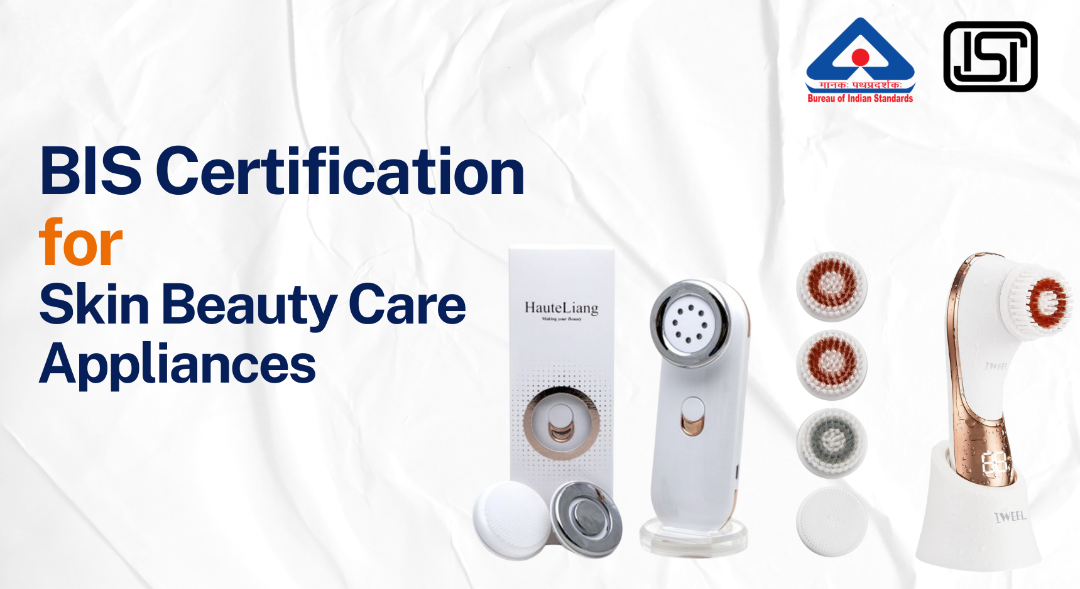
BIS Certification for Skin Beauty Care Appliances in India
Electric skin beauty care appliances including facial cleansing brushes, microcurrents.....
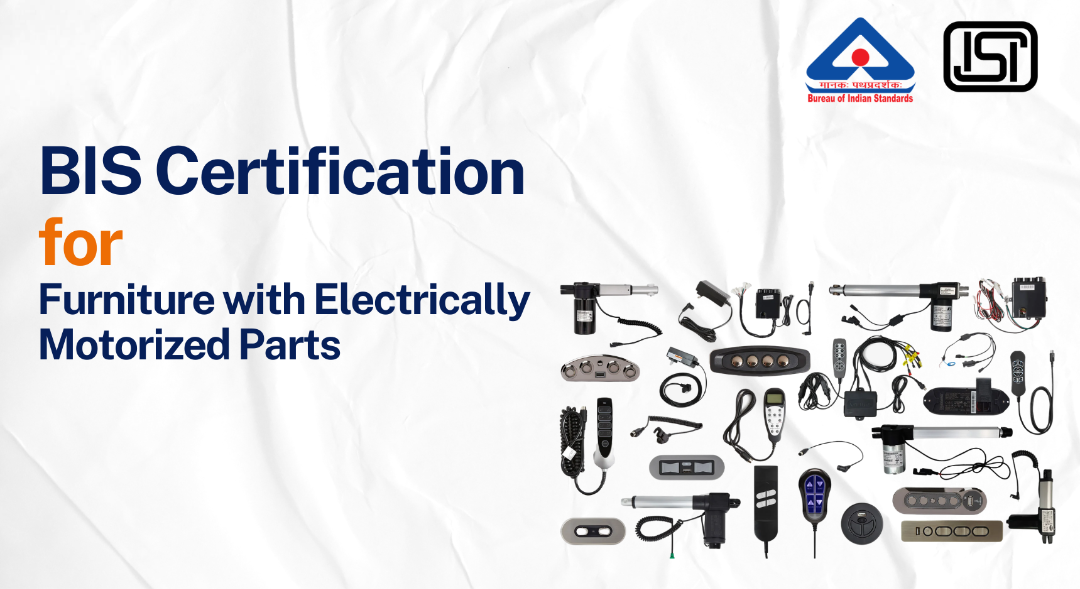
BIS Certification for Furniture with Electrically Motorized Parts in India
Motorized beds, recliners, adjustable desks and sofa mechanisms with electric drive systems.....
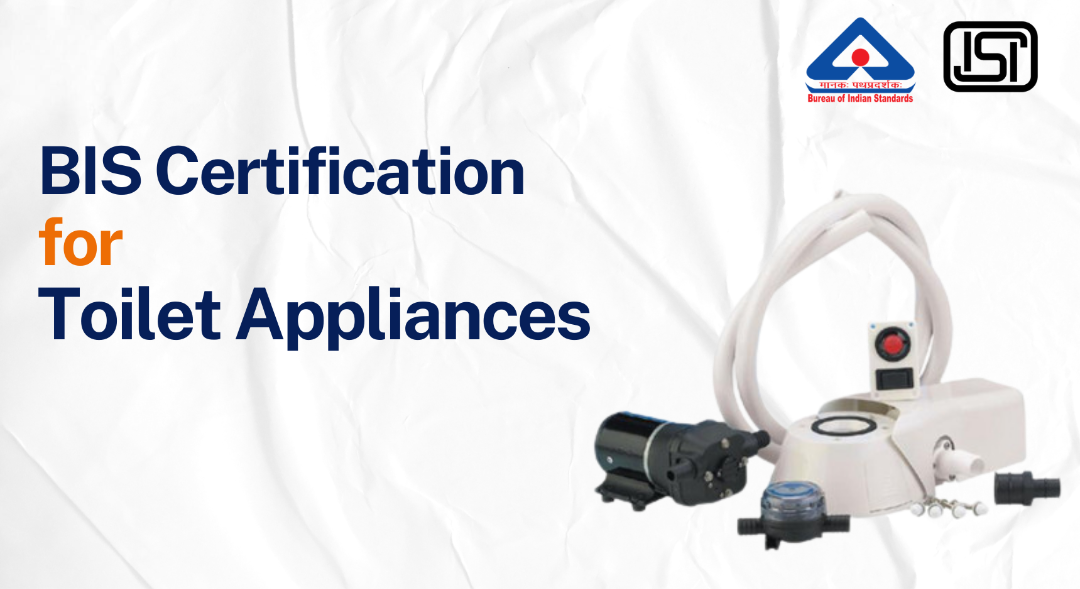
BIS Certification for Toilet Appliances in India
Electric toilet appliances including smart toilet seats with bidet and drying functions.....
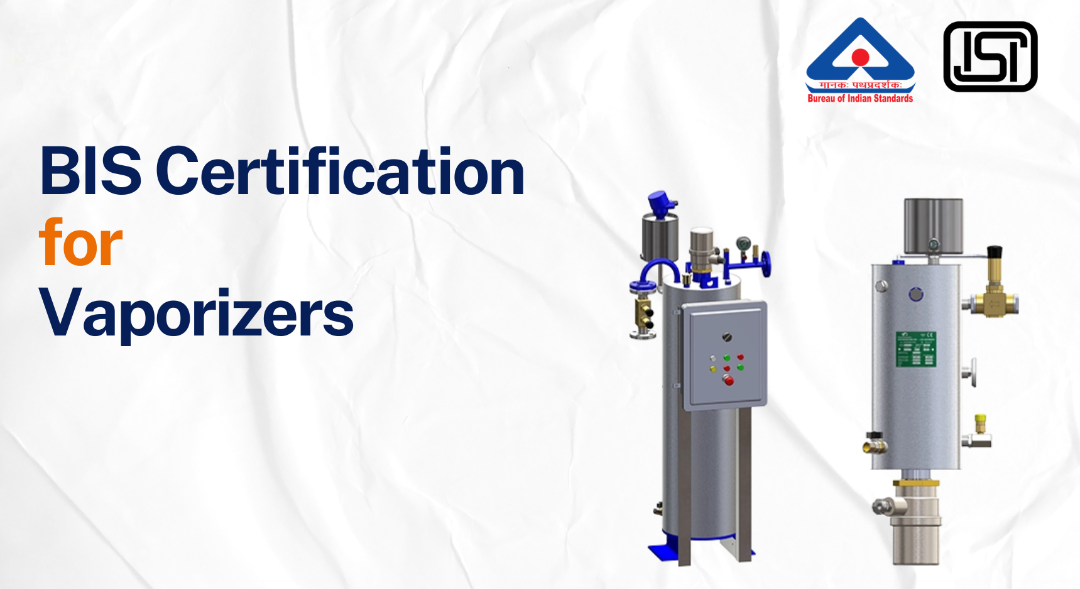
BIS Certification for Vaporizers in India
Electric vaporizers including medicated steam inhalers, baby vaporizers, and therapeutic.....
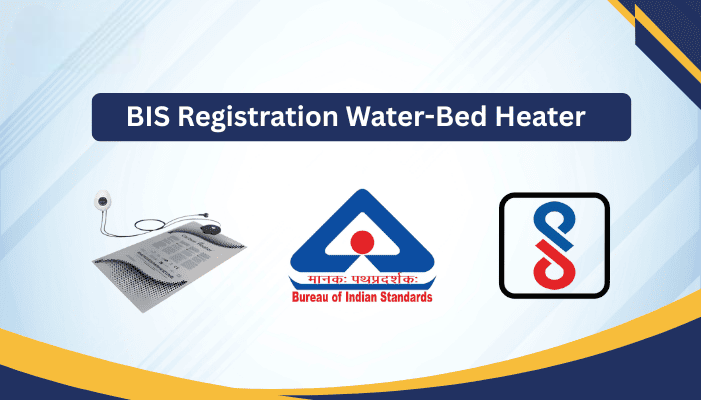
BIS Certification for Water-Bed Heaters in India
Electric water-bed heaters that maintain water mattress temperature through immersed or.....

BIS Certification for DC Supplied / Battery-Operated Vacuum Cleaners in India
Cordless and battery-powered vacuum cleaners — including handheld, stick, and robotic.....

BIS Certification for Hand Held Electric Engraving Tools in India
Hand held electric engraving tools for metal, wood, glass and industrial surfaces require.....

BIS Certification for Ring Wrenches (Spanners) in India
Double-ended ring wrenches (spanners) require mandatory BIS ISI certification under IS.....
BIS Certification for Open Ended Slugging Wrenches in India
Open ended slugging wrenches (spanners) require mandatory BIS ISI certification under IS.....

BIS Certification for Open-Jaw Wrenches (Spanners) in India
Double-ended open-jaw wrenches (spanners) require mandatory BIS ISI certification under.....

BIS Certification for Pipe Wrenches (General Purpose) in India
General purpose pipe wrenches require mandatory BIS ISI certification under IS 4003 (Part.....
BIS Certification for Pipe Wrenches (Heavy Duty) in India
Heavy duty pipe wrenches require mandatory BIS ISI certification under IS 4003 (Part 2):1986.....
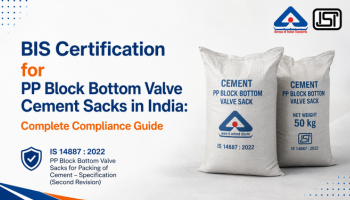
BIS Certification for PP Block Bottom Valve Cement Sacks in India
PP woven laminated block bottom valve sacks for automated cement packing require.....

BIS Certification for PP/HDPE Laminated Mail Sorting Sacks in India
PP/HDPE laminated woven sacks for postal and logistics mail sorting require mandatory BIS.....
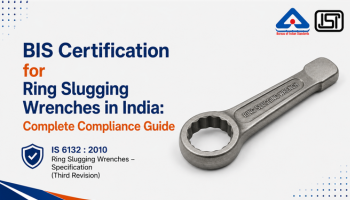
BIS Certification for Ring Slugging Wrenches in India
Ring slugging wrenches (spanners) require mandatory BIS ISI certification under IS 4509:1992.....

BIS Certification for Bicycles in India
Adult and general-use bicycles require mandatory BIS ISI certification under IS 10613:2014.....

BIS Certification for Centrifugal Jet Pumps in India
Centrifugal jet pumps require mandatory BIS ISI certification under IS 12225:1997 before they.....

BIS Certification for Centrifugal Regenerative Pumps in India
Centrifugal regenerative pumps for clear, cold water require mandatory BIS ISI certification.....
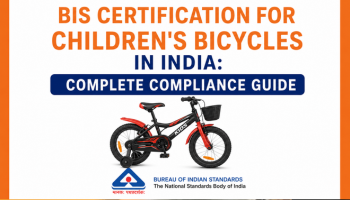
BIS Certification for Children's Bicycles in India
Bicycles designed for young children require mandatory BIS ISI certification under IS.....

BIS Certification for Electric Circular Saws in India
Hand-held electric circular saws require mandatory BIS ISI certification under IS 4665.....

BIS Certification for Point-Type CO + Heat Fire Detectors in India
Point-type fire detectors using a carbon monoxide sensor in combination with a heat sensor.....
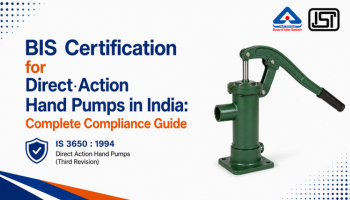
BIS Certification for Direct Action Hand Pumps in India
Direct action hand pumps require mandatory BIS ISI certification under IS.....
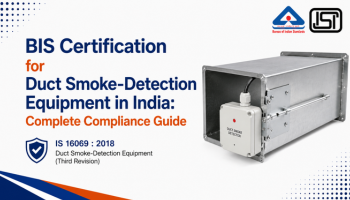
BIS Certification for Duct Smoke-Detection Equipment in India
Smoke-detection equipment for HVAC and ventilation ducts requires mandatory BIS ISI.....

BIS Certification for Electric Drills and Impact Drills in India
Hand-held electric drills and impact drills require mandatory BIS ISI certification under.....

BIS Certification for Electric Hammers (Rotary, Demolition, Chipping) in India.
Hand-held electric rotary, demolition and chipping hammers require mandatory BIS ISI.....

BIS Certification for Electric Spray Guns (Non-Flammable Liquids) in India
Hand-held electric spray guns for non-flammable liquids require mandatory BIS ISI.....

BIS Certification for Engine Monoset Pumps (Agricultural) in India
Engine monoset pumps for clear, cold, fresh water for agricultural purposes require.....

BIS Certification for Fire Alarm Input/Output Devices in India
Fire alarm input/output (I/O) devices require mandatory BIS ISI certification under IS/ISO.....

BIS Certification for Fire Alarm Loudspeakers in India
Fire alarm loudspeakers used in voice-evacuation systems require mandatory BIS ISI.....

BIS Certification for Fire Alarm Routing Equipment in India
Fire alarm routing equipment requires mandatory BIS ISI certification under.....

BIS Certification for Point-Type Flame Detectors in India
Point-type flame detectors require mandatory BIS ISI certification under.....
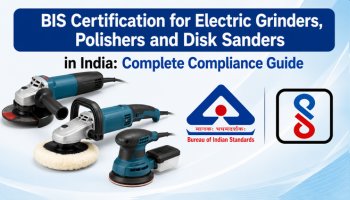
BIS Certification for Electric Grinders, Polishers and Disk Sanders in India
Hand-held electric grinders, polishers and disk-type sanders require mandatory.....

BIS Certification for Horizontal Centrifugal Pumps (Agricultural & Rural) in India
Horizontal centrifugal pumps for clear, cold water used in agricultural and rural water-supply.....

BIS Certification for Horizontal Centrifugal Pumps (General Purpose) in India
Horizontal centrifugal pumps for clear, cold water used in general-purpose (non-agricultural).....
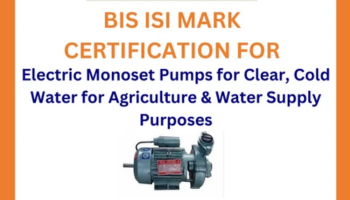
BIS Certification for Electric Monoset Pumps (Agricultural & Water Supply) in India
Electric monoset pumps for clear, cold water for agricultural and water-supply purposes.....
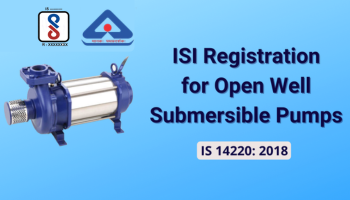
BIS Certification for Openwell Submersible Pumpsets in India
Openwell submersible pumpsets require mandatory BIS ISI certification under IS 14220.....

BIS Certification for Wireless Fire Alarm Components in India
Fire alarm components using radio transmission paths require mandatory BIS ISI.....

BIS Certification for Electric Screwdrivers and Impact Wrenches in India
Hand-held electric screwdrivers and impact wrenches require mandatory BIS ISI.....

BIS Certification for Self-Priming Centrifugal Pumps in India
Horizontal centrifugal self-priming pumps require mandatory BIS ISI certification under IS.....

BIS Certification for Service Valves (AC & Refrigeration) in India
Service valves used in air conditioning and refrigeration systems require mandatory.....

BIS Certification for Shallow Well Handpumps in India
Shallow well handpumps require mandatory BIS ISI certification under IS.....

BIS Certification for Smoke + CO Multi-Sensor Fire Detectors in India
Point-type fire detectors using a smoke sensor in combination with a CO sensor and.....

BIS Certification for Solar PV Water Pumping Systems (Centrifugal) in India
Solar PV water pumping systems using centrifugal pumps require mandatory BIS.....
BIS Certification for Submersible Pumpsets in India
Borewell submersible pumpsets require mandatory BIS ISI certification under.....
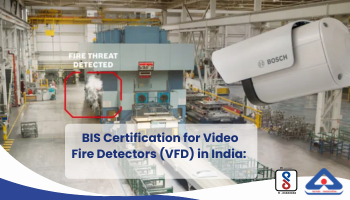
BIS Certification for Video Fire Detectors (VFD) in India
Video fire detectors (VFD) require mandatory BIS ISI certification under.....